Why You Need to Replace Roof: Usual Indications and Advantages Described
Roof replacement is a crucial factor to consider for home owners dealing with different issues. Indications such as missing out on shingles, water leaks, or visible wear can suggest the demand for immediate interest. Age likewise plays a substantial role; roofs over two decades old commonly call for substitute. Understanding these factors is essential. The advantages of a brand-new roof covering extend past plain aesthetics and can considerably impact a home's worth and performance (roof replacement cost). What various other benefits might a new roofing offer?
Indicators Your Roof Requirements Replacement
While numerous property owners may ignore the problem of their roofs, a number of key indicators indicate that replacement is needed. One prominent indication is noticeable damages, such as missing shingles or big cracks. Furthermore, the existence of water discolorations on ceilings or wall surfaces recommends leakages that might jeopardize architectural integrity. Curling or buckling roof shingles can also indicate damage, signaling the demand for a new roofing system. Granules from roof shingles building up in seamless gutters aim to considerable wear. Mold and mildew or algae growth can signify moisture retention, which may call for replacement. Lastly, if a home owner notices an increase in energy bills, it may suggest that the roofing is no much longer offering adequate insulation. Addressing these signs immediately can avoid further damage and expensive fixings.
Age of Your Roof: When to Take into consideration Replacement
As roofs age, their capability to safeguard the home decreases, making it vital for homeowners to examine their roof's lifespan. Generally, asphalt shingle roofs last regarding 20-25 years, while steel and floor tile roofs can endure for 40 years or more. House owners must start considering substitute when their roof covering approaches these benchmarks. Signs of aging, such as curling or missing out on shingles, granule loss, and visible sagging, additional indicate the need for attention. Routine inspections can help determine the roof's problem and provide insight right into whether replacement is warranted. Inevitably, timely substitute can stop extra extensive damage, improve power effectiveness, and boost residential or commercial property worth, making it a sensible financial investment for house owners encountering an aging roof.
Damage From Weather Condition and Environmental Aspects
Climate and environmental factors can significantly affect the stability of a roofing. Severe climate events, such as hefty tornados or extreme heat, can create instant damage, while long term direct exposure to natural environments leads to steady deterioration. Comprehending these results is important for homeowners thinking about a roof substitute.
Extreme Weather Effect
Extreme weather events have come to be increasingly usual, noticeably impacting the stability of roofs across different regions. Severe tornados, hefty snowfall, and high winds can bring upon considerable damages, leading to leaks, fractures, and structural weak points. As an example, hailstorm can maul roof covering materials, while strong winds might dislodge shingles or floor tiles, subjecting the underlying layers to additional damage. Additionally, hefty rainfall can create pooling water, raising the threat of leakages and mold and mildew growth. In areas susceptible to extreme heat, extended sunlight direct exposure can weaken materials like asphalt, causing brittleness and fractures. Property owners need to acknowledge these potential dangers and review the condition of their roofs routinely, as overlooking indicators of damages can bring about expensive repairs and jeopardized safety.
Ecological Damage
Environmental variables continuously put in pressure on roof covering products, adding to progressive wear and tear. With time, direct exposure to UV radiation can break down tiles, resulting in brittleness and breaking. Rainfall, snow, and ice can cause water seepage, resulting in mold and mildew growth and architectural damage. Wind can lift and displace roof elements, boosting susceptability to further environmental dangers. Furthermore, temperature level changes can trigger growth and tightening in roofing materials, worsening existing weaknesses. Toxins, such as acid rainfall, may accelerate the wear and tear of roofing systems. Homeowners ought to on a regular basis examine their roofs for indications of environmental damage, as neglecting these concerns can lead to pricey repairs or premature substitute. Identifying these aspects is important for maintaining the stability and long life of a roof covering.
Missing Out On or Damaged Roof Shingles: What to Try to find
Exactly how can house owners identify if their roof covering requires repair work? One of the most apparent signs is the visibility of missing out on or damaged tiles. Home owners should conduct a visual assessment, seeking roof shingles that are cracked, crinkled, or completely missing. These problems can jeopardize the roof's stability and lead to additional damages. Additionally, granule loss, where small fragments collect in rain gutters, suggests roof shingles deterioration. It is also vital to look for discoloration or spots on the tiles, which might indicate aging or damages. Early recognition of these issues can protect against expensive repair work down the line. Routine maintenance and prompt interest to missing out on or damaged tiles can expand the life of a roof considerably.
Water Leaks and Interior Damage
Water leaks can bring about visible water discolorations on ceilings and walls, suggesting underlying issues with the roofing. Furthermore, click this site mold and mildew development might become noticeable, posing health and wellness dangers and more damage to the home. Attending to these indications promptly is vital to maintaining a secure and structurally sound interior.
Noticeable Water Discolorations
Noticeable water discolorations regularly show underlying concerns with a roofing system's honesty. These spots commonly appear on ceilings and walls, indicating that water has infiltrated a structure's structure. roof replacement cost. The presence of these marks might come from different sources, including damaged roof shingles, shabby flashing, or compromised sealants, every one of which can bring about further damage if not dealt with quickly. Ignoring noticeable water spots can lead to escalating repair service costs and potential architectural damage. Home owners need to take these indicators seriously, as they commonly suggest recurring dampness issues that might result in considerable interior damages. Timely intervention, consisting of a roofing system inspection and potential substitute, is vital to prevent additional issues and keep the security and worth of the residential property
Mold Growth Indicators
Mold growth is a typical consequence of water leakages and indoor damage, frequently indicating serious issues with a roofing system. When wetness leaks via endangered roofing materials, it creates a perfect atmosphere for mold spores to thrive. Our site Homeowners must be alert for indications of mold, such as dark patches or a mildewy smell, especially in areas vulnerable to wetness, like attic rooms and basements. Additionally, water spots on ceilings or wall surfaces can signify underlying leakages, further exacerbating mold and mildew proliferation. Overlooking these indications can bring about extensive architectural damage and wellness threats for occupants. Promptly resolving roof issues not just assists get rid of mold but also protects the stability of the home, guaranteeing a secure and healthy and balanced living setting.
Energy Efficiency and Expense Savings
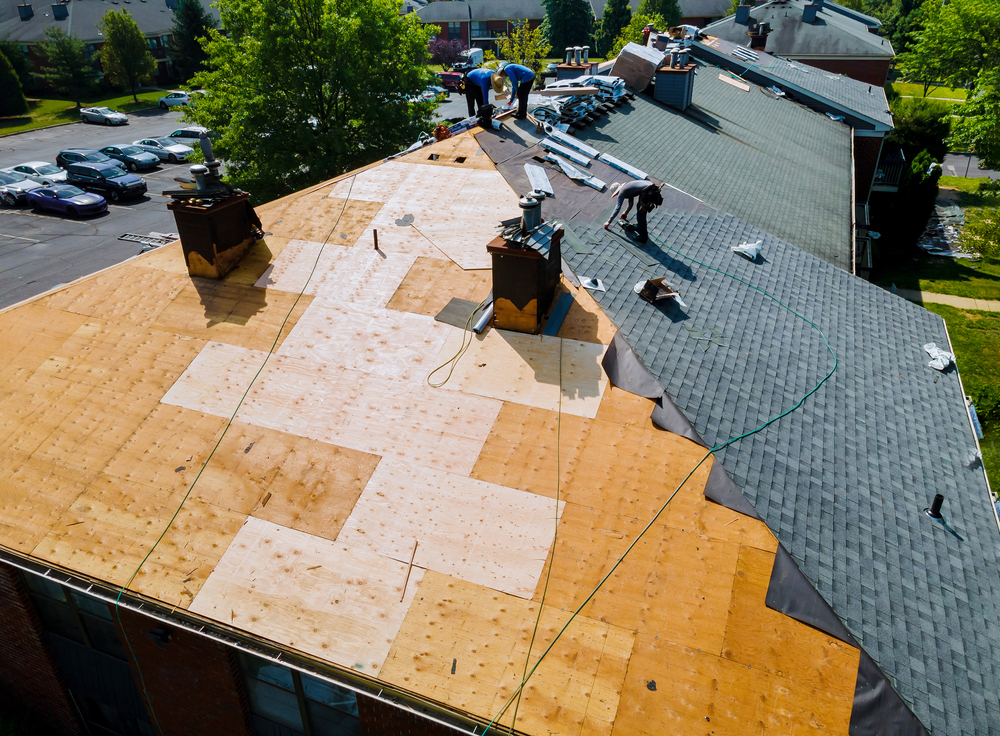
Power performance and expense financial savings are vital factors to consider for home owners considering a roof covering substitute. An aging or damaged roof covering can cause considerable power loss, resulting in higher cooling and heating expenses. By purchasing a new roofing system with modern-day products and modern technology, home owners can improve insulation, lower air leak, and enhance overall power performance. Energy-efficient roof alternatives, such as awesome roofs or those with reflective coatings, can even more lessen power consumption by keeping homes cooler in summer and warmer in winter season. Furthermore, a well-insulated roofing decreases the workload on HVAC systems, which lengthens their lifespan and lowers repair work costs. Inevitably, a roof replacement can bring about considerable lasting financial savings, making it a sensible economic decision for home owners.
Rise Your Home's Value With a New Roof
A brand-new roofing not only improves energy efficiency however likewise significantly increases a home's market price. Prospective purchasers often see a brand-new roof as a considerable investment, as it shows less immediate repair work and maintenance costs. This understanding can result in increased buyer passion here and possibly greater deals. Furthermore, modern roofing products offer improved visual appeals, making the property more aesthetically appealing. roof replacement inspection. A properly maintained roof can improve aesthetic charm, adding to the general appeal of the home. Homes with a brand-new roof are likely to market faster compared to those with older, worn roofs. Ultimately, changing a roof can yield a strong return on investment, making it a smart decision for homeowners looking to take full advantage of residential property value
Often Asked Questions
Exactly how Lengthy Does a Roof Covering Replacement Normally Take?
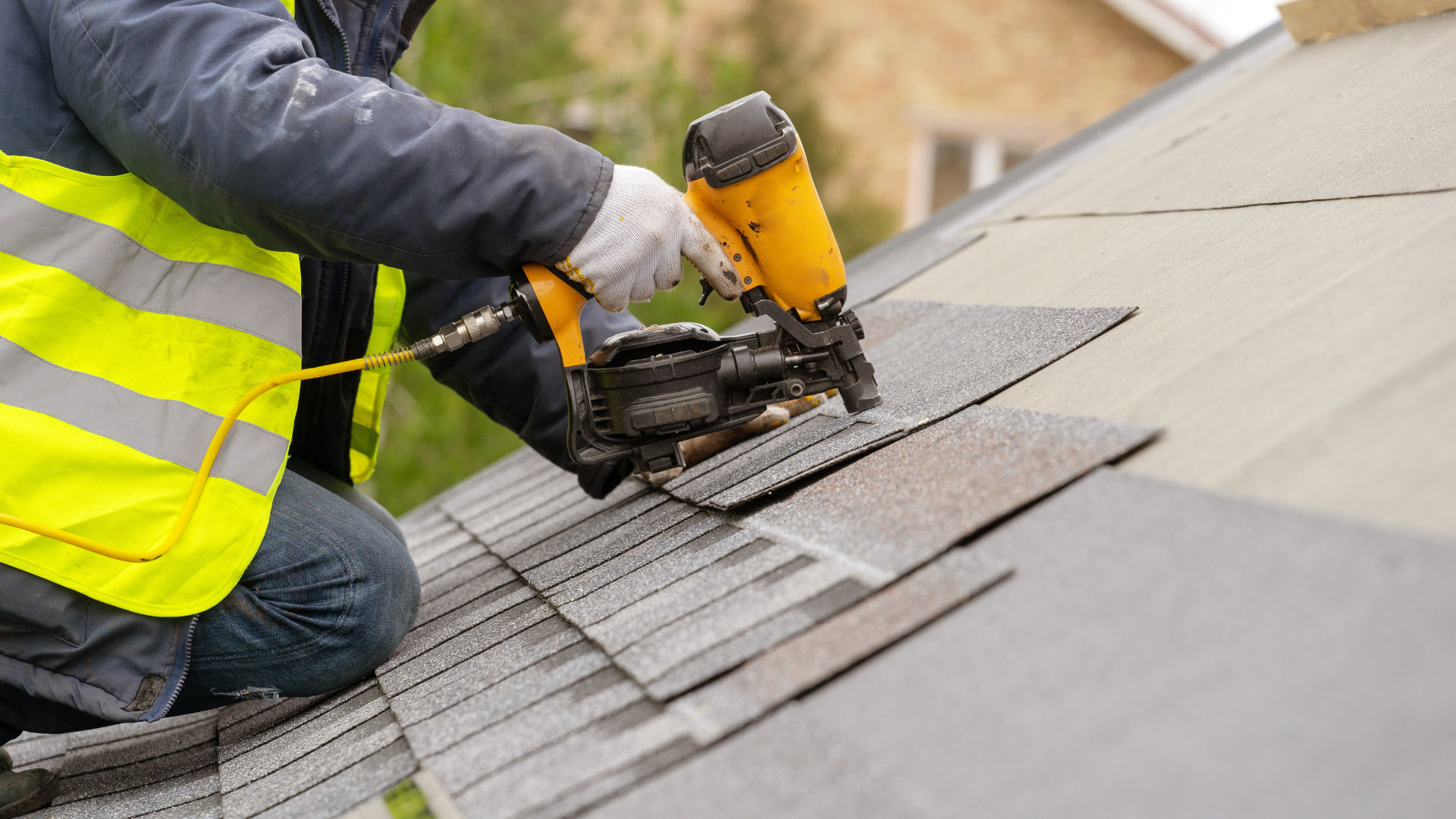
The duration of a roofing system substitute typically differs, yet it typically takes in between one to three days. Elements affecting this timeline consist of roofing system dimension, products utilized, climate condition, and the complexity of the task.
What Kinds Of Roof Materials Are Ideal for My Location?
Determining the ideal roofing products for a certain location involves thinking about neighborhood climate, durability, and power performance. Asphalt tiles, steel roof, and clay ceramic tiles are commonly prominent choices, each offering distinct advantages fit to numerous ecological problems.
Can I Remain in My Home During the Roof Substitute?
During roofing substitute, house owners can typically stay in their homes, though sound and disruptions might happen. It's advisable to get ready for temporary inconveniences and assure precaution remain in location throughout the project's duration.
Just how Much Does a Brand-new Roof Normally Cost?
The expense of a new roofing system generally ranges from $5,000 to $15,000, depending upon factors such as materials, roof covering size, and labor. House owners need to acquire numerous quotes to assure a fair price for their task.
Will My Insurance Coverage Cover Roof Substitute Expenses?
Determining whether insurance policy covers roof covering substitute expenditures largely depends on the policy specifics. Generally, protection might consist of damages from specific dangers, but exemptions and deductibles can greatly affect the general repayment amount for property owners.